AI Clause Suggestions for Faster Contract Drafting
 Jørgen Højlund Wibe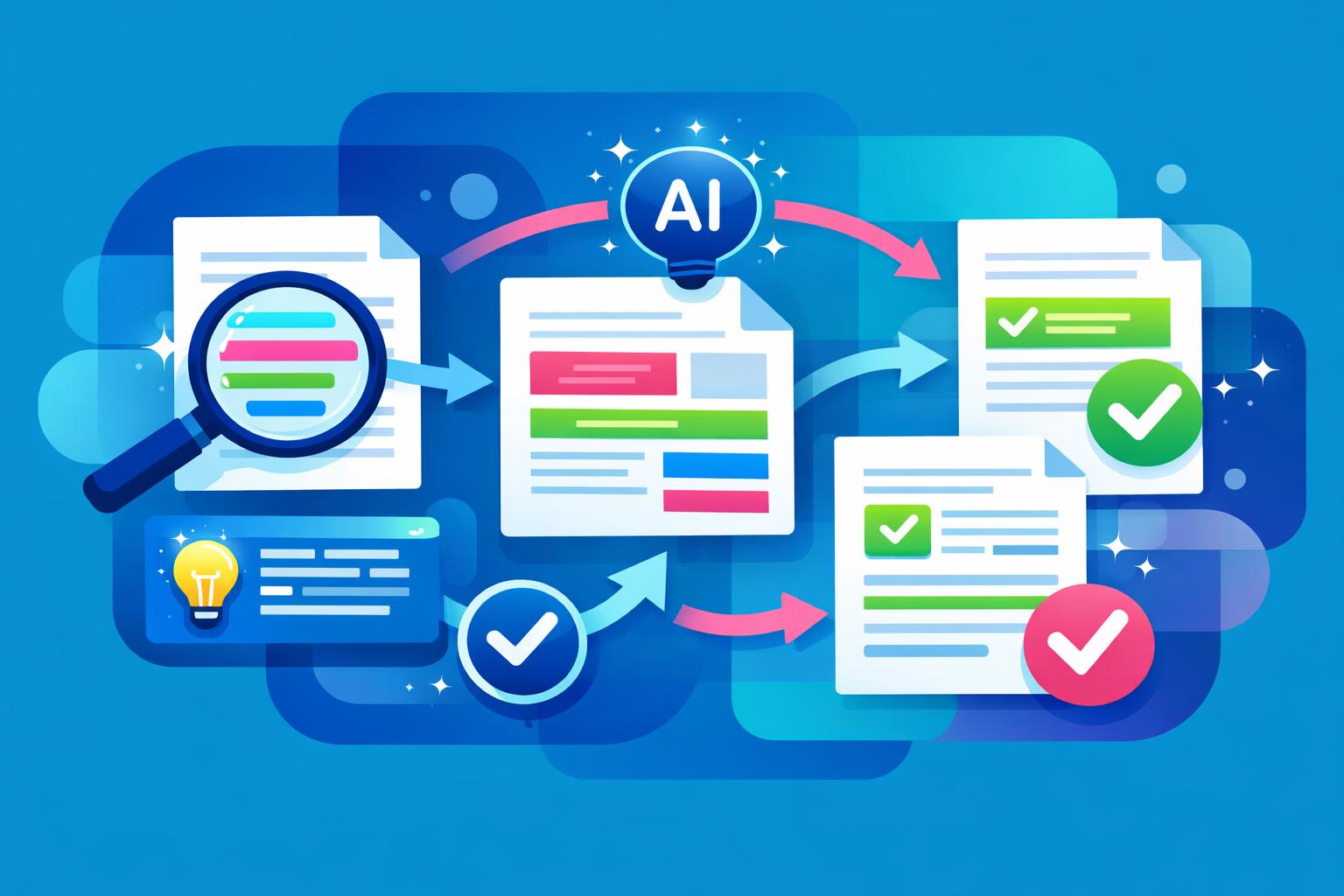
Contract work always pulls you in two directions: move fast enough to keep the business moving, but slow down enough to avoid mistakes that show up later in negotiation. That pressure is exactly why AI clause suggestions are gaining traction with legal and commercial teams. Instead of relying on memory, outdated templates, or repeated back-and-forth with legal, you can apply the right language at the right time—consistently, and without sacrificing control. This post breaks down how AI clause suggestions work during drafting and review, why pre-approved language is the real unlock for scale, and how ClearContract connects recommendations directly to fixes so you can draft better contracts faster.
How AI clause suggestions work during drafting and review
In practice, AI clause suggestions turn institutional knowledge into something your tools can apply automatically. Rather than hoping the right clause ends up in the document, the platform analyzes what’s already there, what’s expected for that contract type, and what’s missing or weak. The goal is simple: surface usable language at the moment you need it, not after a slow manual review.
In ClearContract, the workflow starts when you draft a new agreement or upload an inbound contract. The AI reads structure, clause types, and context—looking at how your organization typically builds that kind of agreement and which clauses are normally required. From there, it flags gaps like missing provisions, vague wording, or language that deviates from what legal has already approved.
“The difference isn’t just spotting a problem—it’s connecting that insight to ready-to-use wording that’s already been vetted.”
That connection is where clause suggestions become operationally valuable. Instead of stopping at “this clause is missing,” ClearContract ties the issue to your pre-approved clause library and recommends language that fits the specific scenario. During drafting, suggestions help prevent omissions as the document takes shape; during review, they appear as tracked changes or inline recommendations so you can see what’s proposed and why.
This pairs naturally with fast analysis from AI contract review. Rather than forcing you to jump between tools, review insights flow directly into suggested fixes, so legal teams move from “what’s wrong” to “what should we change” in one place. Additionally, because suggestions are drawn from your own approved language (not generic public snippets), they’re reliable enough for non-legal teams to use without creating new risk.
Why pre-approved language improves quality, reduces risk, and speeds up cycles
Most contract risk doesn’t come from unusual edge cases. It comes from small inconsistencies, missing fallback positions, and clause “drift” when someone rephrases standard language to make it sound better. When your drafting process is anchored in pre-approved language, those errors become far less common—and AI clause suggestions make that approved language easy to apply in everyday work.
Consistency is the first win. If every team uses the same vetted clauses, liability caps, termination rights, and compliance wording stay aligned with your standards instead of diverging across documents. AI reinforces that alignment by nudging drafters back toward approved options when it detects unusually vague or non-standard phrasing.
Pro Tip: Treat your clause library as a living asset. Each time you approve improved language, feed it back into the system so future drafts start closer to “ready to sign.”
Speed follows naturally when contracts start in a better state. Legal teams spend a disproportionate amount of time on routine issues, including explaining why a clause is missing, copying language from old agreements, or cleaning up drafts that could have been correct from the start. With suggestions embedded into drafting workflows, many of those issues never appear, so review cycles shorten without cutting corners.
This is also why clause suggestions work best when they’re part of the drafting experience, not bolted on at the end. ClearContract’s automated contract drafting workflow combines intelligent questionnaires and template automation with contextual clause recommendations, so you catch problems early—before they become negotiation blockers.
Negotiation preparation improves, too. When you’re reviewing inbound paper, the system can highlight language that’s unusually aggressive or out of line with your standards and propose balanced fallback wording. You still decide what to accept and what to push back on, but you make those decisions with clearer options and less manual searching.
Key Takeaways
- Consistency comes from reuse: When suggestions draw from pre-approved clause libraries, each contract reinforces your standards instead of diluting them.
- Speed improves without cutting corners: You reduce manual research and revision cycles while keeping quality high.
- Context beats generic automation: The value is suggesting the right clause for the specific contract and scenario, using your approved language.
- Human oversight stays central: AI accelerates the groundwork, but lawyers retain final authority over what goes into the contract.
If you’re trying to scale contract throughput without scaling headcount, the next step is to connect clause suggestions to the rest of your process. ClearContract supports that end-to-end flow with streamlined contract workflows and centralized contract management, helping approved language stay consistent from first draft to signed agreement.
Related Reading
Go deeper on review workflows with AI contract review, or see how suggestions fit into creation on the contract drafting page.