Real Estate Contract Management With CLM and AI
 Jørgen Højlund Wibe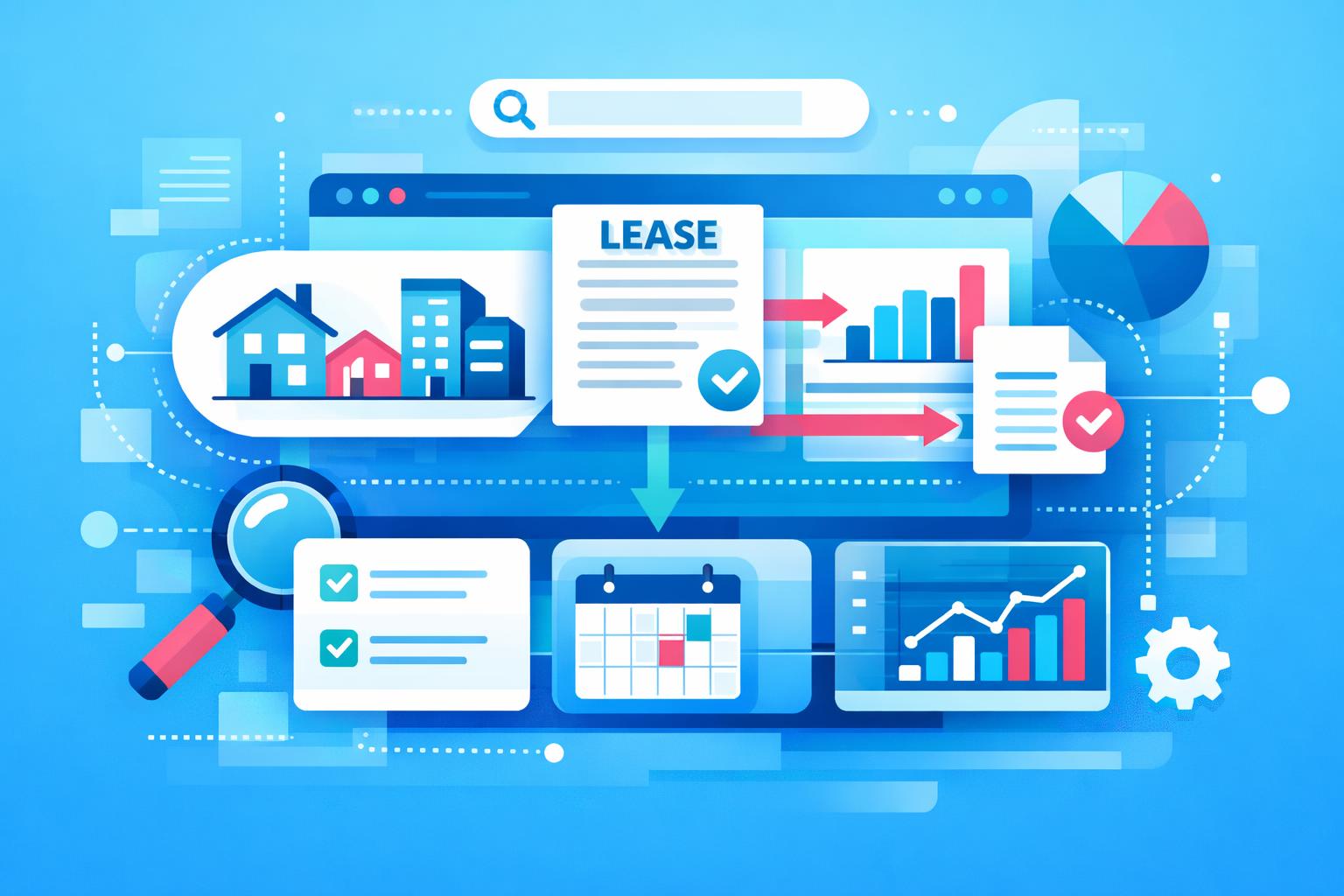
Real estate teams rarely lose time because a single lease is hard to read—they lose time because the portfolio never stops moving. When contracts live in inboxes, shared drives, and scattered advisor folders, even simple questions about expirations, obligations, or break options can take days to answer. That’s why real estate contract management is shifting from back-office admin to a strategic lever for speed, accuracy, and control.
This post breaks down what modern contract management looks like in practice for leases, tenant agreements, and vendor contracts. You’ll see where traditional processes fail at scale, what capable Contract Lifecycle Management (CLM) platforms actually change day to day, and how AI-driven drafting, review, and data extraction help you stay ahead of renewals, risk, and compliance across growing portfolios.
Lease and tenant agreement control at scale starts with centralization
Managing real estate contracts gets risky when volume rises and every agreement carries dates and obligations tied to real money. Lease renewals, rent escalations, termination rights, maintenance responsibilities, and jurisdiction-specific terms only work in your favor if the right person sees them at the right time. Additionally, one missed notice period or clause deviation can ripple into avoidable cost, disputes, or lost leverage.
A modern approach begins by putting every agreement into a single system instead of relying on drives and email threads. In a CLM repository, you can search leases and amendments by property, tenant, contract type, status, or key clauses, so routine portfolio questions become instant answers. For example, you can identify which leases expire next quarter or which tenants have break options without launching a manual document hunt.
“In real estate, the operational challenge isn’t the complexity of one contract—it’s the cumulative risk of hundreds or thousands of deadlines and obligations.”
Drafting and negotiation are where the payoff accelerates, because most real estate teams reuse familiar lease structures across assets. With automated drafting, approved templates stay centrally governed and populate through structured inputs, which helps you avoid outdated language while still supporting local requirements. Platforms with AI-assisted drafting, including ClearContract’s automated contract drafting features, are built to generate faster first drafts and reduce the chance that the “last deal” becomes the default standard.
Once counterparties send back redlines, AI-powered review can flag missing clauses, deviations from standard terms, and potential risk areas directly in the document. This matters even more in multi-state or multi-country portfolios, where local legal differences are easy to miss during a rushed review cycle. ClearContract’s AI-powered contract review tools support this workflow by highlighting issues and suggesting improvements that can be applied with tracked changes.
Signed agreements also create ongoing operational obligations, including rent review dates, indexation clauses, notice periods, and compliance requirements. AI-based data extraction pulls key terms into structured fields to reduce manual entry and improve accuracy, then reminders and workflows keep those obligations visible over time. In practice, this means your process survives staffing changes and portfolio growth because control lives in the system, not in someone’s memory.
Portfolio oversight, compliance, and vendor risk need a live system—not spreadsheets
When lease volumes climb, contract management stops being about individual documents and becomes a portfolio visibility problem. Leadership teams need to answer questions like which assets carry the most renewal risk, where obligations conflict across properties, or how much renegotiation load is coming this year. However, portfolio-level insight is hard to trust when it depends on exports and manual updates.
That’s why reporting and dashboards are a core CLM capability rather than a “nice-to-have.” Instead of working from a static spreadsheet, you operate from a live system that reflects current status, upcoming expirations, and financial exposure as agreements change. ClearContract’s reporting and analytics capabilities are designed for this kind of customizable oversight so the view matches how your portfolio is actually structured.
Pro Tip: Treat your contract repository like an operational system of record. If a term affects rent, renewals, service levels, or compliance, capture it in structured fields so reporting and alerts don’t depend on manual interpretation.
Compliance adds another layer of complexity, including lease accounting standards, local tenancy laws, and internal approval policies. AI-driven monitoring can flag contracts that don’t meet defined criteria or that require action based on regulatory or internal rules, creating guardrails in high-volume environments. While no platform replaces legal judgment, automated checks reduce the chance that critical requirements get buried across dozens of similar-looking agreements.
Integrations help contract data move beyond the legal or property team and into the tools that run the business, including ERP, CRM, and finance systems. When a lease is executed, key terms can trigger downstream actions such as updating forecasts or notifying operations, without relying on email follow-ups. ClearContract’s workflow automation tools are built to support that cross-functional coordination so execution translates into action.
Finally, vendor agreements are often where hidden exposure accumulates, because renewals and service-level obligations can be overlooked next to lease work. Centralizing maintenance, cleaning, security, and professional services contracts alongside leases gives you an asset-level picture of commitments and renewal timelines. In contrast to managing vendors in isolation, you can see how contract obligations stack up property by property.
Key Takeaways
- Volume—not document complexity—is what makes real estate contracting risky, especially around renewals, notice periods, and financial obligations.
- A CLM repository turns leases, tenant agreements, and vendor contracts into searchable, trackable records rather than scattered files.
- AI-assisted drafting, review, and data extraction reduce manual effort while improving consistency and issue detection across high-volume portfolios.
- Dashboards, reporting, and integrated workflows help leadership and operations act on contract terms without spreadsheet drift or email chasing.
If you’re handling more properties, tenants, or vendors than you used to, it’s worth pressure-testing whether your current process can scale without missed obligations. Platforms like ClearContract bring AI-assisted review, automated drafting, structured management, and flexible workflows into one system built for growing teams. If you want to see how it works in practice, you can book a demo or start a free trial and test it with your own agreements.
Related Reading
Explore the full overview on real estate contract management to see how centralized control, AI review, and workflow automation fit together for portfolio operations.