Contract Risk in Supply Chains for Stronger Compliance
 Jørgen Højlund Wibe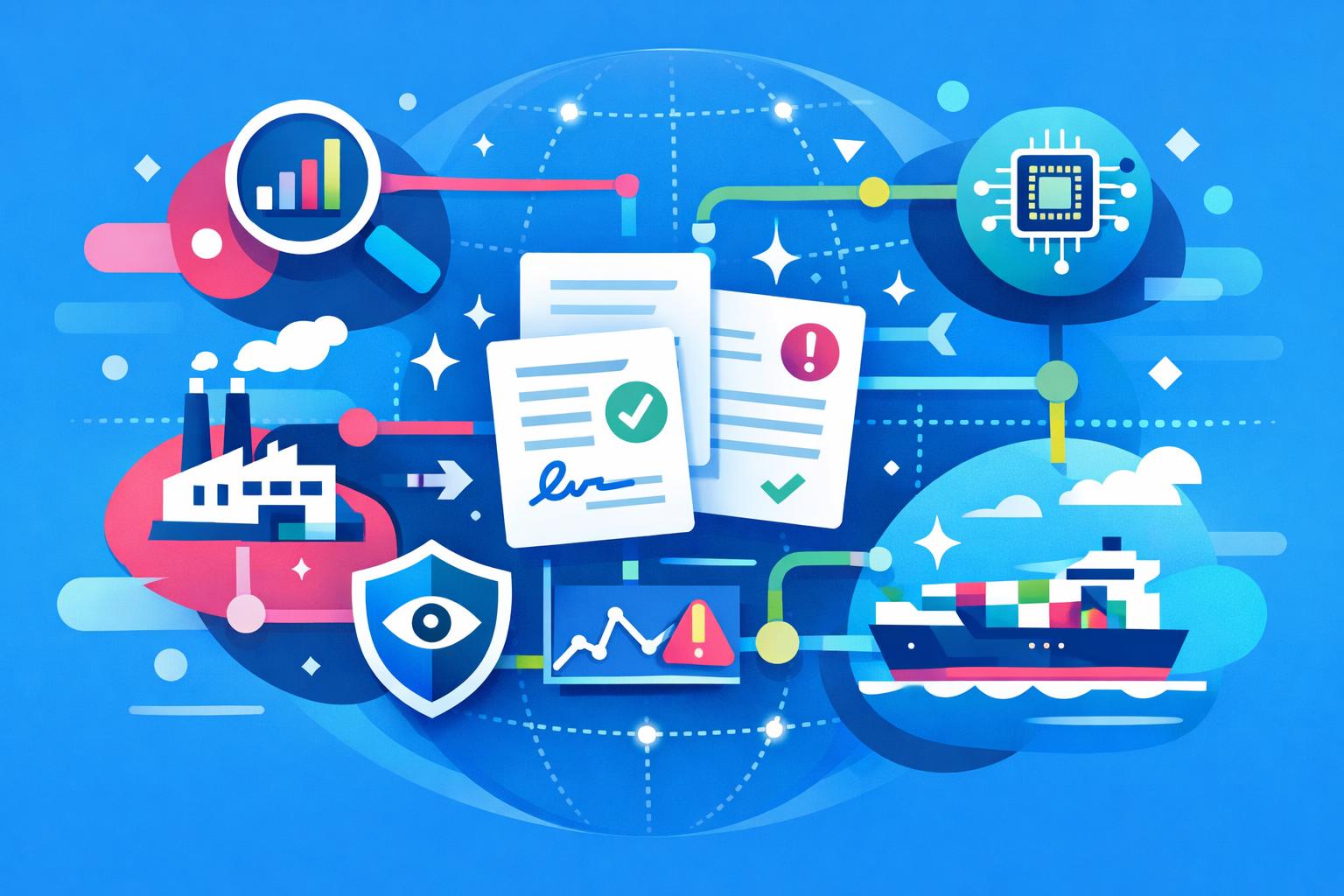
Global supply chains today face more volatility than ever before, and contract risk</strong has become a defining factor in how resilient organizations truly are. From geopolitical shifts to single-source dependencies, issues once buried in technical terms are now board-level priorities. This post breaks down where contract risk commonly hides, how traditional agreements fall short, and what smarter contracting practices—empowered by structured data and AI agents—can do to help businesses stay ahead of disruption.
Where Contract Risk Tends to Hide
Many organizations underestimate how deeply risk is woven into their supply contracts. Relying heavily on a single supplier might seem efficient, but when disruptions occur—like a shutdown or transport delay—the lack of alternative sourcing turns efficiency into vulnerability. In practice, even multiple suppliers can conceal a shared upstream producer, creating unseen dependencies that cause widespread impact when issues arise.
Traditional contracts often don’t require transparency across sub‑suppliers or provide substitution rights. Without clauses addressing these points, companies are forced to react rather than respond when failure strikes. Furthermore, geopolitical risks like trade restrictions, sanctions, or tariff changes can transform previously stable agreements into liabilities overnight. If contracts lack cost adjustment or early notification mechanisms, compliance headaches and unplanned expenses quickly follow.
“The greatest supply chain risk often isn’t failure—it’s what contracts forget to anticipate.”
Compliance is another quiet threat. Missed certification renewals, service‑level obligations, or incomplete documentation can accumulate until regulators or auditors uncover the gaps. When organizations don’t have visibility across contracts—like knowing which ones include audit rights or reporting requirements—issues escalate quickly. In short, invisible commitments become expensive surprises.
How Smarter Contract Terms Prevent Disruption
Modern contracting is moving from reaction to prevention. Post‑pandemic lessons show that contracts shouldn’t merely assign blame after disruption—they should build resilience ahead of time. Strong supplier selection clauses mandate diversification, visibility into upstream dependencies, and ongoing risk assessment obligations. ClearContract’s Tasks & Deadlines module enables teams to track and enforce these provisions across agreements, transforming contracts into control mechanisms rather than paperwork.
Timing is another breakthrough advantage. Real-time monitoring flags delivery, compliance, or performance deviations before they become breaches. AI Contract Review identifies weak clauses and missed risk terms early in negotiation, while autonomous AI Agents like the Expiry Tracker connect contracts with operational data so deviations don’t go unnoticed. This changes risk management from reaction to prevention—reducing surprises and enabling faster intervention when conditions shift.
Pro Tip: Focus contract negotiation time on enforceability, not length. Well‑defined audit rights, service levels, and tariff adjustments deliver more stability than long clauses packed with jargon.
AI-assisted drafting, powered by ClearContract’s Contract Drafting module, helps standardize strong clauses while adapting language for regional or supplier variations. Reducing ambiguity helps legal teams ensure every agreement speaks clearly under pressure—whether triggered by trade shifts or supply breakdowns.
Key Takeaways
- Contract risk often arises from unseen dependencies rather than obvious failures.
- Geopolitical volatility makes static contracts vulnerable without adjustment rights.
- Visibility and monitoring turn risk management from reactive to proactive.
- Smarter clauses are enforceable, preventive, and backed by AI agents that do the work — not just talk about it.
- Exploring an autonomous legal department like ClearContract helps teams anticipate disruption before it hits — book a demo to see how.
Related Reading
For further insights, read more on how structured Contract Management improves risk visibility to explore data-driven methods for reducing supply chain volatility.