Contract Risk in Supply Chains Reduce Disruption
 Jørgen Højlund Wibe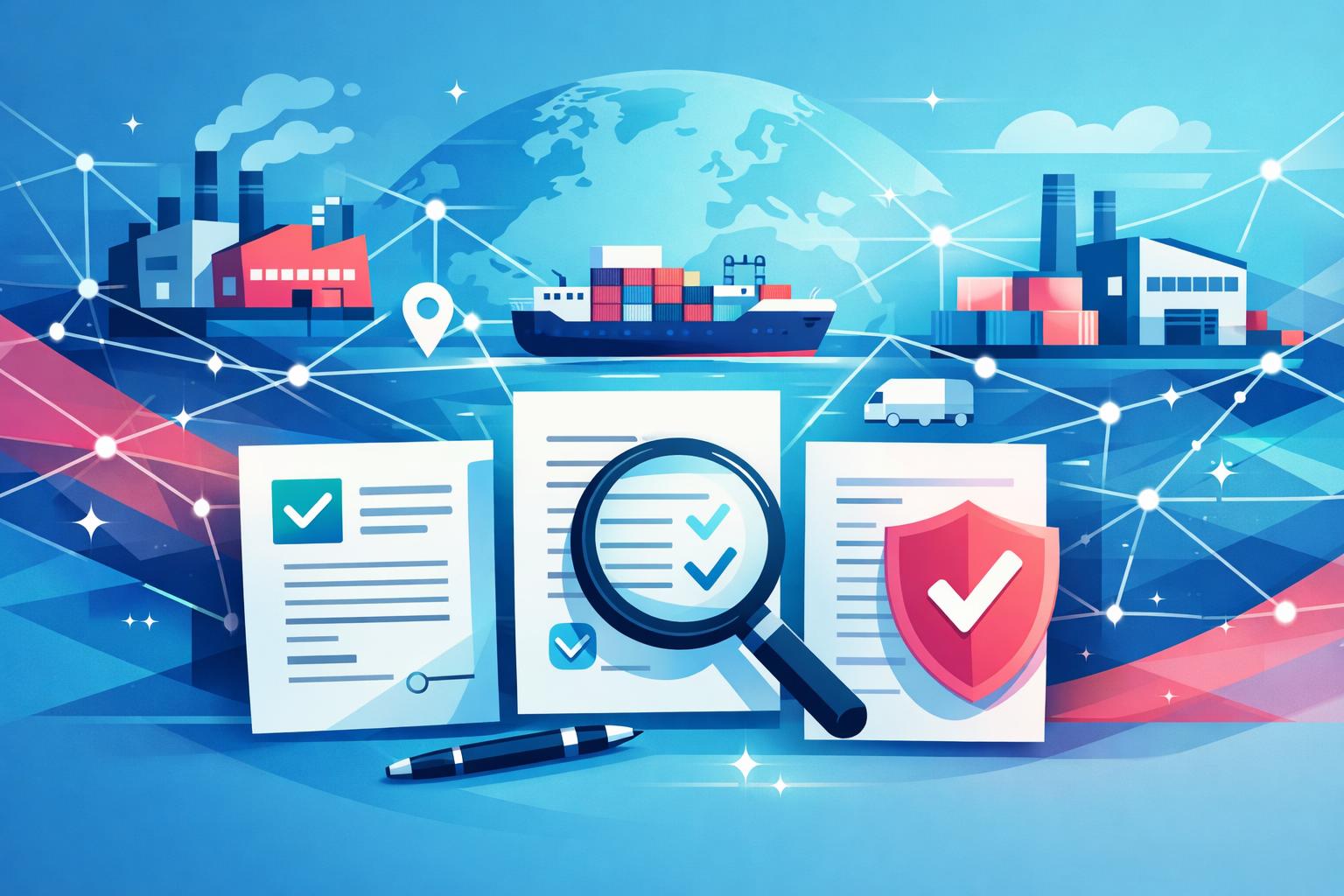
Global supply chains are more connected—and more fragile—than ever. A disruption in one region can halt production, ignite disputes, and expose businesses to compliance risk. It’s why contract risk in supply chains has shifted from a legal concern to a strategic one. This post explores how weak or outdated contracts amplify supply chain disruption and how smarter terms, backed by modern Contract Management, help build resilience. You’ll learn where vulnerabilities emerge, what clauses matter most, and how AI agents working 24/7 turn risk management into a proactive, continuous process.
Where Contract Risk in Supply Chains Comes From
Supply chain risk often originates not from operations but from contracts that fail under pressure. When terms are vague or disconnected from real-world scenarios, even a small delay can escalate into production halts or costly disputes. Over time, these weaknesses expose organizations to sustained inefficiencies and reputational harm.
A major vulnerability lies in single-source dependency. Depending on one supplier can appear efficient, but it magnifies risk when that supplier experiences disruption or insolvency. Without clauses covering substitution rights, early-warning obligations, or clear exit paths, businesses may find themselves unable to act quickly when failures occur. This risk compounds across multiple tiers, multiplying the effects of a single weak link.
Another persistent threat is geopolitical instability. Trade restrictions, sanctions, or sudden regulatory shifts can render contractual obligations impossible. At the same time, expanding global regulations on data protection, cybersecurity, and operational resilience extend compliance responsibility across partners. If contracts lack audit rights or clear allocations of compliance duties, the risk doesn’t just stay with your suppliers—it becomes your own.
Finally, operational pressures—ranging from labor shortages to delivery delays—test whether contracts have teeth. Agreements that rely on generic “best effort” language offer little recourse when standards slip. In practice, contract risk in supply chains often reflects an organization’s larger challenge: a gap between written terms and operational realities.
“Supply chain resilience starts not with logistics or inventory—but with the strength, clarity, and enforceability of your contracts.”
How Smarter Contract Terms Reduce Supply Chain Disruption
Strong contracts can’t eliminate uncertainty, but they can define how it’s managed. Well-crafted clauses establish accountability, flexibility, and transparency when disruptions occur. For instance, a precise force majeure clause should outline qualifying events, notice periods, and remedies, rather than leaving outcomes up to interpretation. Coupled with termination or step-in rights, these clauses empower you to control outcomes instead of waiting for breakdowns to unfold.
Performance oversight is equally vital. Rather than relying on goodwill or open-ended commitments, robust service level agreements (SLAs) define measurable outcomes—delivery times, quality metrics, and recovery windows—that you can monitor and enforce. By aligning SLAs with your operational data, you create self-correcting mechanisms across supplier networks.
Modern supply chain contracts must also address compliance and ethics. Clauses covering codes of conduct, audit rights, and regulatory obligations enable you to verify—not just trust—supplier behavior. These terms provide the legal authority to intervene early, preserving business continuity and reputation in tightly regulated environments.
Smarter contracts turn risk allocation into risk control—providing options before crises, not after.
Autonomous AI agents now amplify this advantage. With AI Contract Review, teams can analyze supplier agreements at scale against your playbook to spot missing or weak clauses. By comparing hundreds of contracts simultaneously, you surface patterns of risk before they materialize. Similarly, Contract Management centralizes records, deadlines, and obligations—making oversight continuous rather than episodic.
Automated Tasks & Deadlines and Reports & Analytics ensure renewals happen on schedule and dashboards bring real-time visibility to recurring issues. When contracts evolve dynamically alongside the business, risk management becomes a living, data-driven process — AI does the work, not just talks about it.
Pro Tip: Regularly review high-value supplier contracts using AI Contract Review to identify outdated clauses. Even minor improvements in SLAs or compliance language can drastically reduce your exposure to disruption.
Key Takeaways
- Disruption is constant—contracts must anticipate and absorb it, not simply react to it.
- Single-source and geopolitical risks multiply when contract terms are unclear or unenforced.
- Smarter terms—like precise force majeure and measurable SLAs—turn ambiguity into control.
- Centralized Contract Management with AI Agents strengthens visibility and compliance across suppliers.
- Continuous review ensures contracts evolve in step with global regulations and market realities.
Related Reading
Discover how modern Contract Management streamlines supplier oversight and reduces compliance risk, or book a demo to see ClearContract running as your autonomous legal department.