Contract Risk in Supply Chains Mitigation Tactics
 Jørgen Højlund Wibe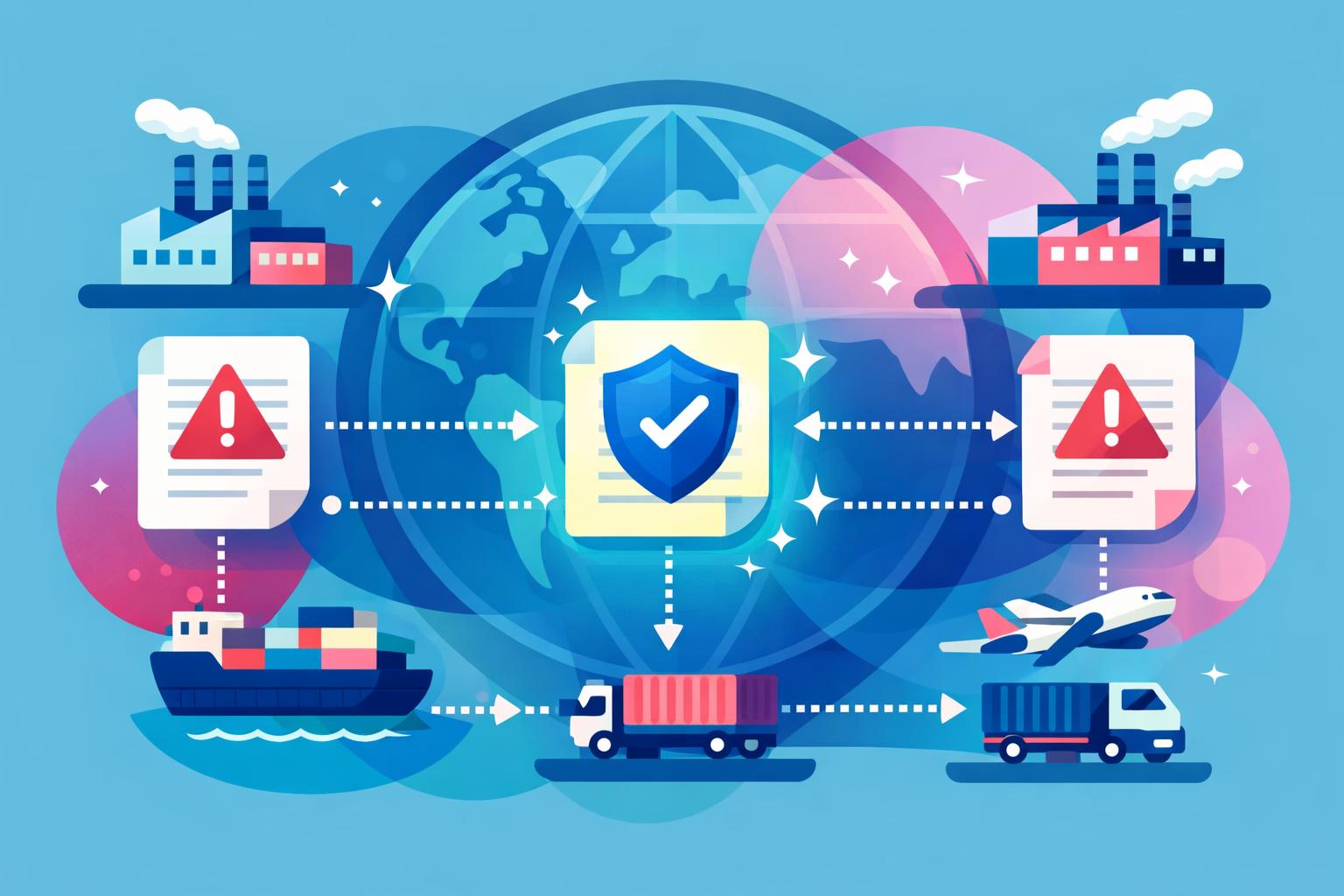
Global supply networks are facing unprecedented volatility—from geopolitical tension to climate disruption—and that means **contract risk in supply chains** is now a strategic concern, not just an administrative one. This post explores why contract risk is rising, where it originates within supplier agreements, and how better contract design and technology can make supply chains more resilient. You’ll gain insight into practical clauses, proactive monitoring, and digital tools that can turn your contracts into a first line of defense against global disruption.
Where Contract Risk in Supply Chains Emerges
While many focus on logistics or performance metrics, some of the biggest vulnerabilities hide in contract language itself. Overreliance on a single supplier—or multiple suppliers connected to the same upstream source—can create a brittle structure. If that shared dependency fails, weak contracts leave buyers stuck with delays, escalating prices, or unresolved force majeure claims. What appears diversified on paper may be dangerously concentrated in practice.
Geopolitical volatility compounds these weaknesses. Changes in tariffs, sanctions, or export rules can render a contract unprofitable or even unlawful overnight. Without robust pricing mechanisms, hardship clauses, and termination safeguards, businesses often absorb unforeseen costs. In such cases, performance may continue in theory, but margin erosion and compliance risk turn success into failure behind the scenes.
Compliance gaps also drive significant contract risk. Outdated certifications, unresolved audit findings, and unenforced service levels often go unnoticed when contracts live in isolation from operational data. That lack of visibility delays detection of breaches until damage is already done. Outsourcing compounds the problem—exclusive or near-exclusive relationships increase exposure if a partner falters without clear financial or performance safeguards in the contract.
“Unclear or rigid contract language can turn supply disruption into a costly legal battle instead of a managed risk event.”
Modern contract visibility is now essential. With centralized Contract Management, organizations can detect structural dependencies and compliance gaps early, ensuring contracts evolve alongside the dynamic risks they are meant to govern.
How Smarter Terms Reduce Supply Chain Disruption
Mitigating contract risk starts with drafting flexibility into supplier agreements. Clauses requiring visibility into lower-tier suppliers make it possible to validate whether your supply chain is truly diversified. This transparency supports better risk modeling and helps procurement teams act before dependencies become bottlenecks. Integrated oversight turns your contracts into evolving safety mechanisms rather than static paper.
Specifying independence between suppliers is equally important. Well-structured multi-sourcing provisions and early rebalancing rights give organizations control when disruptions surface. Drafting consistency—especially across regions or categories—is easier with the Contract Drafting module that inserts tested clause language automatically and reduces human error during negotiation.
Another key area is active monitoring and enforcement. Missed deliveries or SLA exceptions often signal deeper supplier stress. Contracts that embed data-sharing duties, audit rights, and escalation triggers empower early intervention. With AI Contract Review, teams can automatically flag weak clauses or missed protections before signature, preventing issues from arising downstream.
When contracts integrate with workflows, alerts, and supplier data, they evolve from static documents into living risk-control systems.
Geopolitical unpredictability requires adaptive clauses. Pricing adjustments linked to tariff or currency changes, and step-in rights during supplier nonperformance, help maintain operations without descending into litigation. Enforcing financial disclosure and regular compliance certifications, supported by Reports & Analytics dashboards, further strengthens resilience by connecting contractual commitments with real-world performance.
Key Takeaways
- Hidden dependencies often arise from contract terms rather than supplier rosters—requiring built-in transparency and diversification clauses.
- Volatile geopolitical environments demand flexible pricing, hardship, and termination provisions adapted to real-world uncertainty.
- Early performance deviations act as early-warning signals when contract monitoring connects directly with supply data.
- ClearContract’s autonomous legal department links legal protection with operational reality, turning contracts into active tools for risk control.
If your current agreements don’t provide early warnings or flexibility, they may be magnifying risk rather than mitigating it. Consider reviewing your supplier portfolio with ClearContract — an autonomous legal department where AI does the work, not just talks about it — to identify vulnerabilities before they escalate and transform contract governance into a competitive advantage. Book a demo to see it in action.
Related Reading
Explore how procurement teams use ClearContract to maintain supplier visibility and prevent compliance failures for deeper insights into dynamic contract management.