Contract Risk in Supply Chains for Resilient Procurement
 Jørgen Højlund Wibe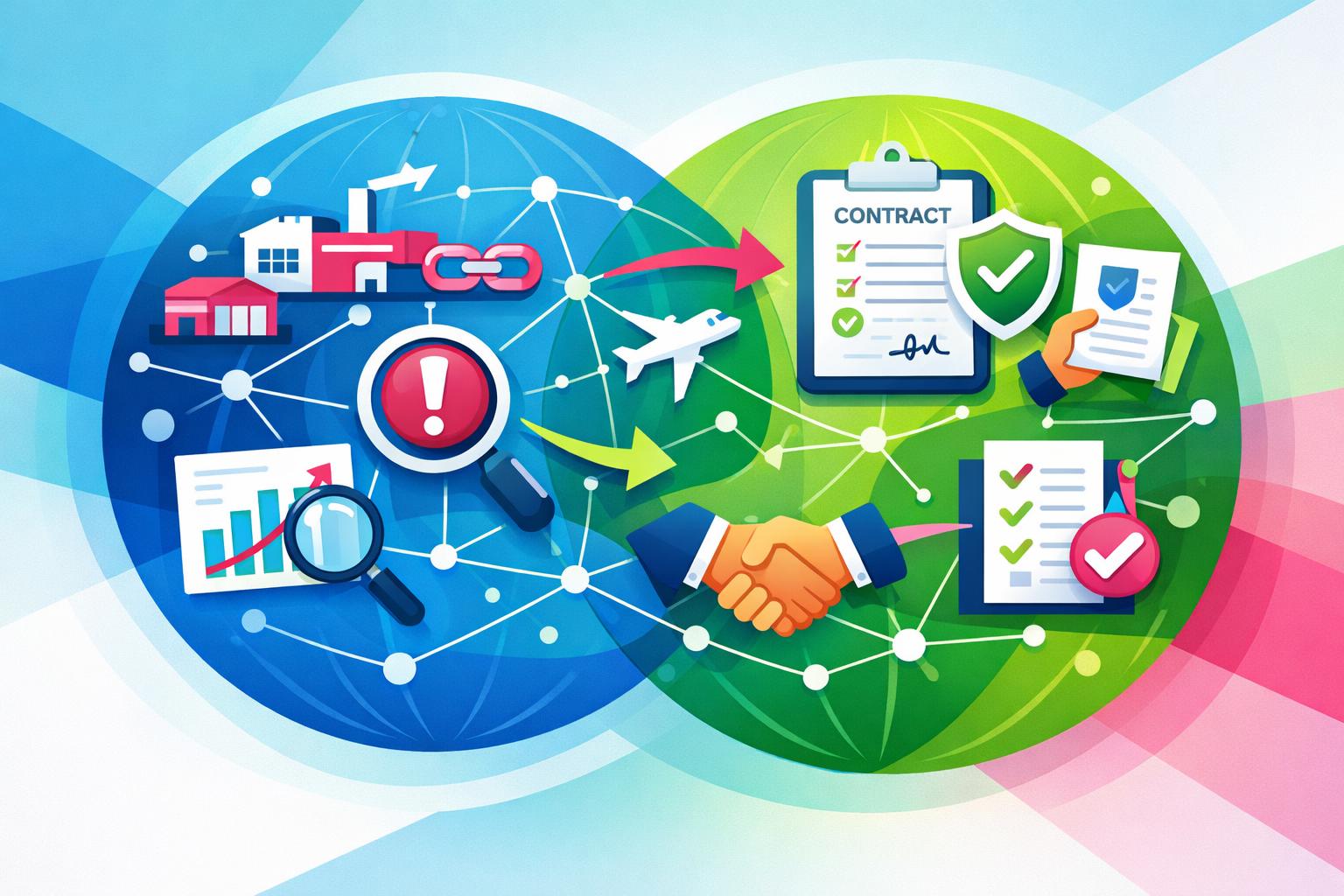
Supply chain disruptions rarely begin with a single catastrophic event. More often, the groundwork is laid early, through rigid contracts, single-source dependencies, or a lack of visibility into lower-tier suppliers. As global supply networks grow more complex, understanding how contract risk in supply chains develops—and how to mitigate it—has become a key advantage. This post explores where contract vulnerabilities typically appear, how factors like geopolitics and compliance compound exposure, and what smarter contract terms can do to strengthen resilience before the next disruption hits.
Where Contract Risk Enters Global Supply Chains
One of the most common sources of hidden fragility lies in single-source dependencies. On paper, depending on one supplier may seem cost-effective, but when that supplier faces production delays or upstream shortages, the entire chain feels the impact. Many contracts fail to require contingency measures, leaving buyers exposed when unanticipated events unfold.
Apparent diversification can also be misleading. For instance, two approved vendors might rely on the same sub-tier supplier or operate from a shared region vulnerable to disruption. Without contractual clauses ensuring transparency in sub-tier sourcing, organizations might assume diversification where none truly exists. This lack of visibility often stems from outdated contract structures that do not align legal expectations with operational realities.
Moreover, geopolitical volatility magnifies these risks. Tariffs, export controls, and sanctions can transform a once-stable agreement into a liability overnight. Few contracts contain proactive mechanisms for cost redistribution or exit plans when trade conditions shift. Similarly, compliance and data risks—such as missing certifications or weak cybersecurity obligations—often reveal themselves too late, when corrective action is costly or damage has already occurred.
“The real weak points in supplier contracts often hide not in dramatic failures but in silent assumptions about stability, visibility, and accountability.”
To counter this, an autonomous legal department like ClearContract’s Contract Management module enables end-to-end visibility. Its AI Contract Review highlights missing clauses before signing, while centralized obligation tracking ensures supplier performance and compliance remain transparent across every tier.
How Smarter Contract Terms Reduce Disruption Risk
Smart contracts aren’t those that attempt to foresee every eventuality. They are designed for flexibility, collaboration, and real-time adaptability. Early in the drafting phase, teams can embed risk-awareness directly in their language—clarifying backup obligations, supplier transparency standards, and compliance expectations.
An effective example is diversification clauses that require suppliers to demonstrate independent sources across regions. These contracts might also mandate notification when sub-tier exposure rises, turning traditional agreements into actionable risk indicators. ClearContract’s Contract Drafting module makes it simpler to implement and replicate such vetted, risk-mitigating language consistently across departments.
Another strategic approach is the use of risk-sharing mechanisms. Rather than leaving cost overruns or delays to interpretation, teams can define how disruptions—from tariffs to logistics breakdowns—are handled. By pairing strong terms with ongoing monitoring, companies can prevent minor deviations from becoming full-blown crises. Connecting contracts with operational systems through ClearContract’s Tasks & Deadlines module allows performance data to trigger alerts and responses automatically when conditions shift.
“Contracts built for resilience focus less on predicting disruption and more on enabling visibility, accountability, and quick adaptation.”
Key Takeaways
- Contract risk often begins with concentration, limited visibility, and overconfidence in supplier stability.
- Geopolitical shifts or compliance gaps can quickly undermine even long-standing supplier agreements.
- Smarter contract drafting emphasizes transparency, shared risk, and active monitoring rather than rigid clauses.
- ClearContract’s autonomous AI Agents help legal and procurement teams anticipate and act on emerging risks before disruption hits.
If your current contracts don’t provide early warning signs when suppliers, regions, or regulations change, it may be time for a fresh look at how those agreements are managed. Start by assessing your drafting and monitoring workflows, then explore how booking a ClearContract demo can help transform contracts into strategic tools for resilience and performance.
Related Reading
Explore how procurement teams build resilient supplier networks with ClearContract for more insights into mitigating operational vulnerabilities across complex supply chains.