
Entire Agreement Clause Meaning, Purpose and Legal Effect
 Jørgen Højlund Wibe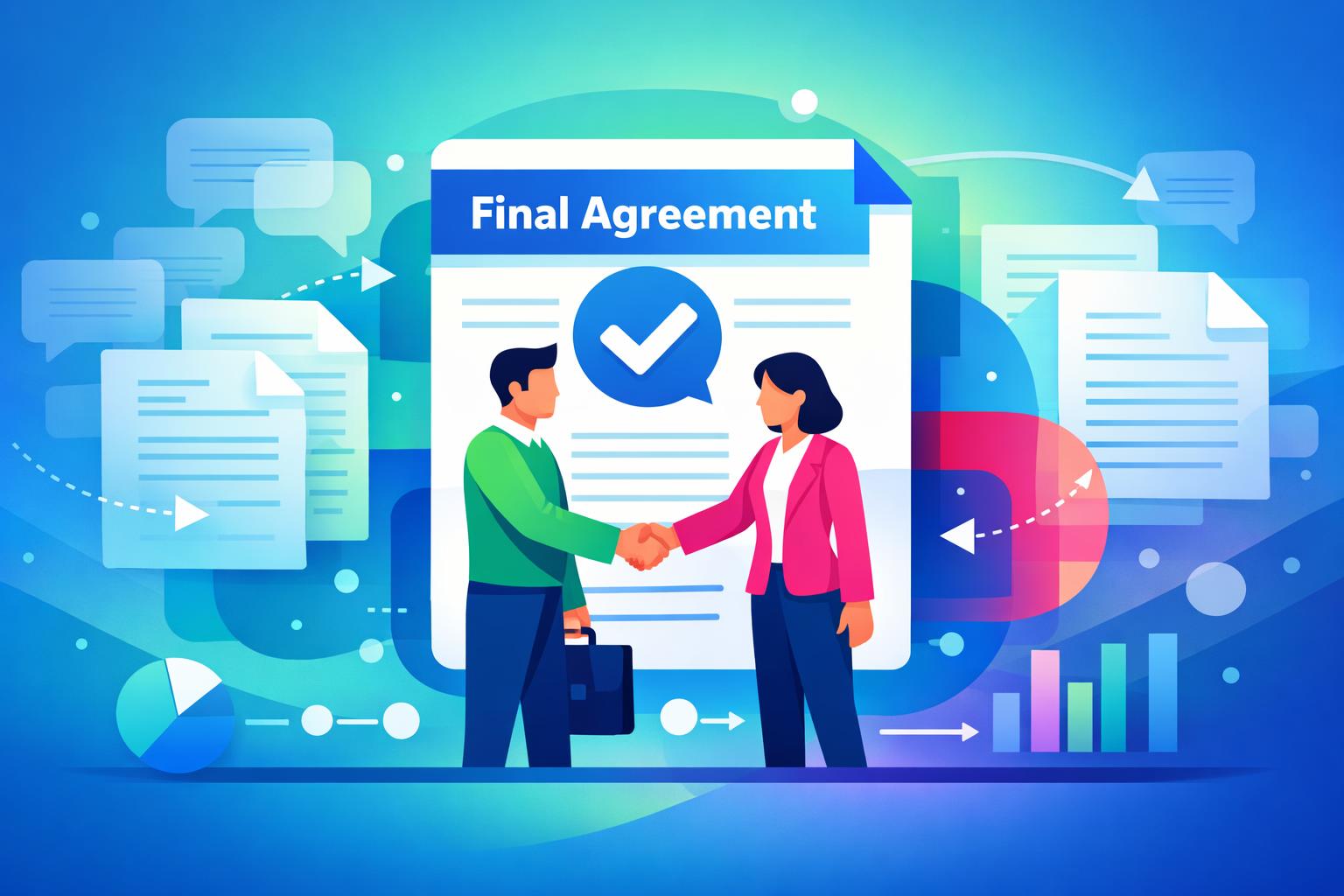
Contracts often stumble not over what’s written, but over what one party thought had been agreed before signing. That’s exactly why the entire agreement clause exists—to draw a clear boundary between negotiation and obligation. In this post, you’ll learn what this clause really does, how it influences contract interpretation, and why it’s critical for reducing risk. We’ll also explore how ClearContract’s Contract Management module helps ensure that the signed document remains the single source of truth.
What an Entire Agreement Clause Does in Practice
At its core, the entire agreement clause confirms that the signed contract represents the complete and final understanding between the parties. Once executed, all prior conversations, drafts, and informal assurances are treated as context rather than binding terms.
This matters because disputes often rest on competing accounts of negotiation history. The clause resolves that uncertainty by stating that only what appears in the contract counts as enforceable. Courts view it as a signal that the parties intended to close the door on earlier discussions, significantly limiting the scope of external evidence during interpretation.
Including this clause protects against accidental obligations—especially in long-term relationships where informal patterns or historic concessions could otherwise resurface in later disputes. It resets expectations and ensures the current written contract governs the commercial arrangement today.
From a management perspective, clarity becomes practical when contracts are centralized. ClearContract’s Contract Management module ensures every team references the same definitive version, rather than juggling multiple drafts in inboxes and folders. Small wording choices in this clause can make or break whether certain side letters or schedules remain valid—or quietly expire once the deal is signed.
“The entire agreement clause turns the signed contract into the final word—everything else becomes background noise.”
How the Entire Agreement Clause Affects Pre-Contractual Representations
One of the biggest misconceptions is that this clause erases everything said before signing. In reality, it mainly prevents enforcement of earlier promises not written into the contract. If a salesperson verbally offered a feature or discount that didn’t make it into the document, it’s unlikely to carry legal weight afterward.
However, courts differentiate between contractual terms and misrepresentation. If false statements induced the signing, an entire agreement clause won’t automatically block those claims. It limits what becomes part of the contract, but not accountability for dishonesty. Judges may still permit external evidence to correct clear drafting errors or interpret ambiguous wording under doctrines like estoppel.
This makes careful drafting crucial. Many agreements include carve‑outs preserving certain warranties or representations even while excluding others. AI Contract Review highlights clauses that could conflict with standard risk positions or unintentionally sweep too broadly, ensuring balance is maintained before signing — checked against your playbook in minutes.
For internal teams, this clause underlines a critical discipline: what’s promised during negotiations must appear in the final contract to be enforceable. The integrated Contract Drafting module connects drafting, review, and approval so that important representations are documented intentionally instead of lost in email trails. Together with AI Agents running 24/7, ClearContract turns negotiation notes into verifiable, compliant agreements.
Pro Tip: Always check that critical promises or expectations are reflected in the written contract—verbal commitments can vanish once an entire agreement clause takes effect.
Key Takeaways
- The entire agreement clause defines the signed contract as the exclusive source of binding obligations, excluding prior communications from legal relevance.
- It reduces dispute risk by limiting external evidence but doesn’t protect against misrepresentation claims or deceit during negotiations.
- Precise drafting and thoughtful carve‑outs are essential to preserve intended protections and avoid sweeping exclusions.
- Combining Contract Management with AI Contract Review makes it easier to confirm that the final document accurately reflects negotiated outcomes.
Related Reading
Discover more about effective clause management in our guide on common commercial contract clauses and how they shape negotiation outcomes — or start a free 14-day trial to see ClearContract in action.