Machine-Readable Contracts for Smarter Contract Management
 Jørgen Højlund Wibe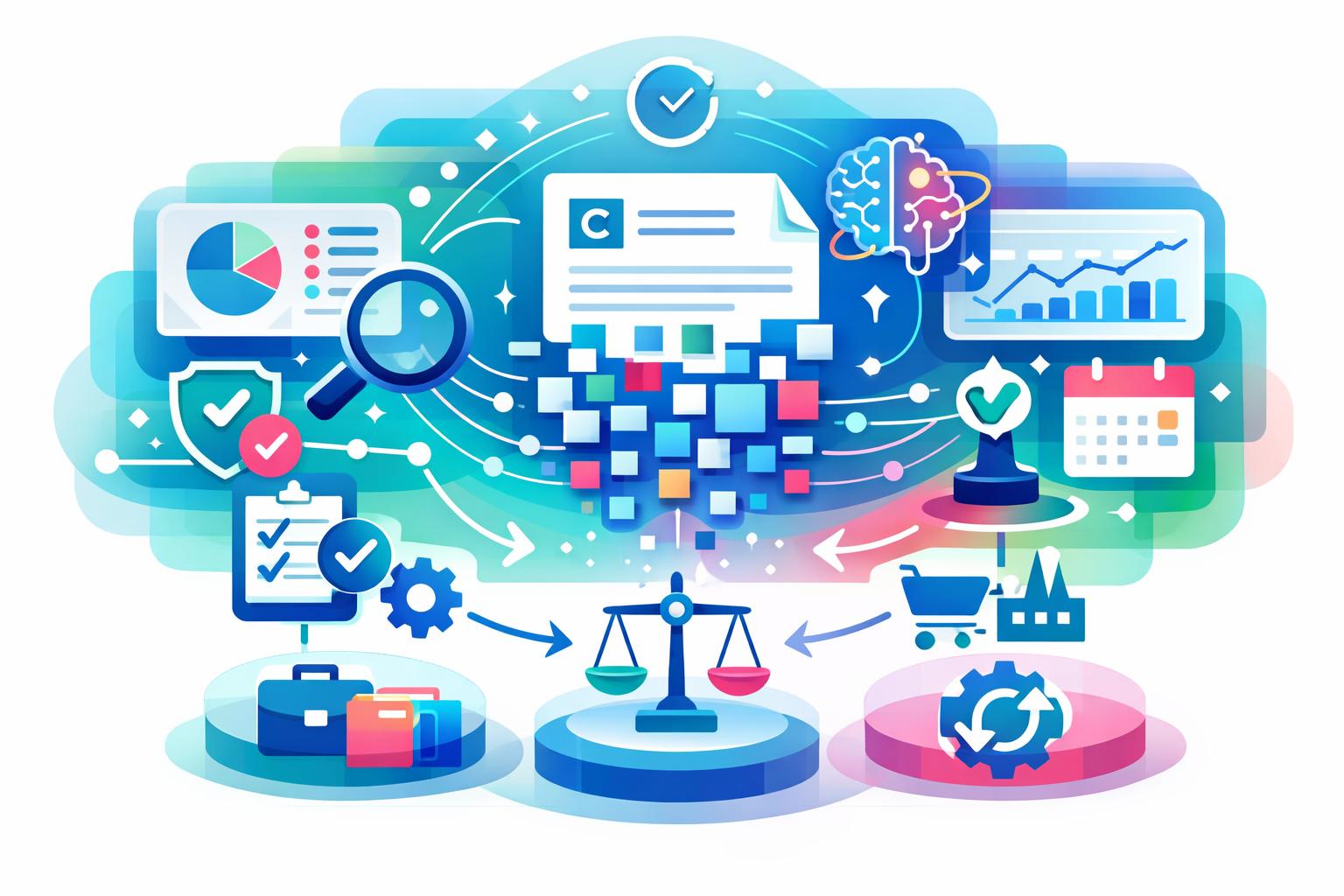
Most contract problems don’t come from bad intent—they come from treating agreements like static PDFs that only humans can interpret. Machine-readable contracts flip that model by turning key terms into structured, actionable data that software can understand, monitor, and route into the right workflows. In this post, you’ll learn what “machine-readable” really means in practice, how it differs from fully executable smart contracts, and why it matters for legal, procurement, and operations teams.
We’ll also explore the real operational upside—faster drafting, easier negotiation governance, continuous compliance visibility, and portfolio analytics—plus the limitations that still make this an emerging (but increasingly practical) approach to modern contract management.
What Machine-Readable Contracts Actually Mean
A traditional contract is written for human interpretation first. A machine-readable contract keeps the legal prose, but adds structure and semantic meaning so software can reliably process the agreement without depending entirely on manual review. In effect, your contract stops being “just text” and becomes a usable dataset.
In practice, systems can identify parties, payment obligations, renewal clauses, service levels, governing law provisions, and termination rights as structured elements. Rather than searching through free-form paragraphs, software can operate directly on contract data, such as dates, obligations, approvals, and business rules.
“The most important shift is conceptual: contracts become operational systems rather than archived documents.”
Most models in this space share a common foundation: systems can discover contracts via identifiers or metadata, parse them consistently, interpret meaning programmatically, trigger automated actions, and verify compliance status through software. That’s different from fully machine-executable contracts, where code automatically performs obligations like triggering payments or approvals without additional intervention.
Machine-readable contracts sit in the middle. They blend natural language with structured data and computable logic, which is why frameworks like Smart Legal Contract models, standards such as Legal XML, and declarative contract languages matter. Open initiatives like the Accord Project also aim to standardize how legal prose connects to structured data and executable business logic.
How Machine-Readable Contracts Transform Contract Management
The real impact isn’t just faster review—it’s lifecycle control. When obligations, dates, and clause positions are structured, you can automate monitoring and execution with greater accuracy. That starts at drafting, where intelligent templates can capture both legal language and contract data from the beginning, rather than creating isolated documents that later need cleanup.
If you’re building toward this model, tools focused on automated drafting are already part of the transition. For instance, platforms with automated contract drafting features can centralize templates, reuse approved clauses, and standardize structure so your data is consistent before negotiation even begins.
Negotiation governance also improves when fallback clauses, risk positions, and obligations are represented consistently. AI systems can compare drafts against playbooks and internal policies automatically, reducing manual review time and pushing legal attention to the true exceptions. This is a practical bridge between today’s natural-language contracts and tomorrow’s more computable agreements.
Pro Tip: You don’t need “fully executable” contracts to get value—start by standardizing templates and clause libraries so extraction and workflow triggers are consistent across agreements.
Execution is where the operational gains become obvious. When a renewal clause is structured, it can automatically trigger procurement reviews; when a service-level threshold is missed, the contract can generate compliance alerts without waiting for someone to notice. This is why connected automation matters: contract events become inputs to the business systems that actually carry out the work.
Organizations already streamlining approvals and handoffs with contract workflow automation are moving in the right direction. Machine-readable contracts extend that approach by making the contract itself a structured operational input, not just a document attached to a process.
Analytics also change fundamentally once contracts are represented as data. Instead of reviewing agreements one by one, legal and procurement teams can surface concentration risks, upcoming expirations, pricing inconsistencies, and regulatory obligations across thousands of contracts quickly. Modern AI-powered contract management platforms increasingly rely on automated extraction to provide this visibility without manual tagging.
AI also helps bridge the gap between legacy documents and structured models by identifying weak clauses, comparing language to standards, and surfacing obligations in a more operationally usable way. This is already happening through AI-powered contract review tools, even before universal machine-readable standards become mainstream.
However, challenges remain. Legal interpretation is rarely binary, and translating nuanced language into machine-processable logic is difficult. Standardization across industries is limited, and questions around liability, enforceability, and conflicts between natural language and executable logic still need clearer treatment—especially in regulated environments where auditability and transparency are non-negotiable.
Key Takeaways
Machine-readable contracts are still evolving, but the shift toward data-centric contract operations is already underway. If you want to prepare your team and your tech stack, focus on improving structure first and automation second—because better inputs create better downstream governance.
- Machine-readable contracts combine legal text with structured data and computable logic so software can interpret key terms reliably.
- They allow systems to parse, analyze, monitor, and sometimes execute obligations automatically across the lifecycle.
- Standards such as Smart Legal Contracts and Legal XML aim to improve interoperability and automation across tools and organizations.
- AI already supports this transition via automated review, extraction, and workflow orchestration—without requiring fully executable contracts.
- Your best next step is structured drafting, standardized clauses, automated extraction, and connected workflows that keep compliance continuously visible.
Related Reading
Check out contract workflow automation for practical ways to connect contract events to approvals, escalations, and operational systems.